Story 01 · Illustrative example
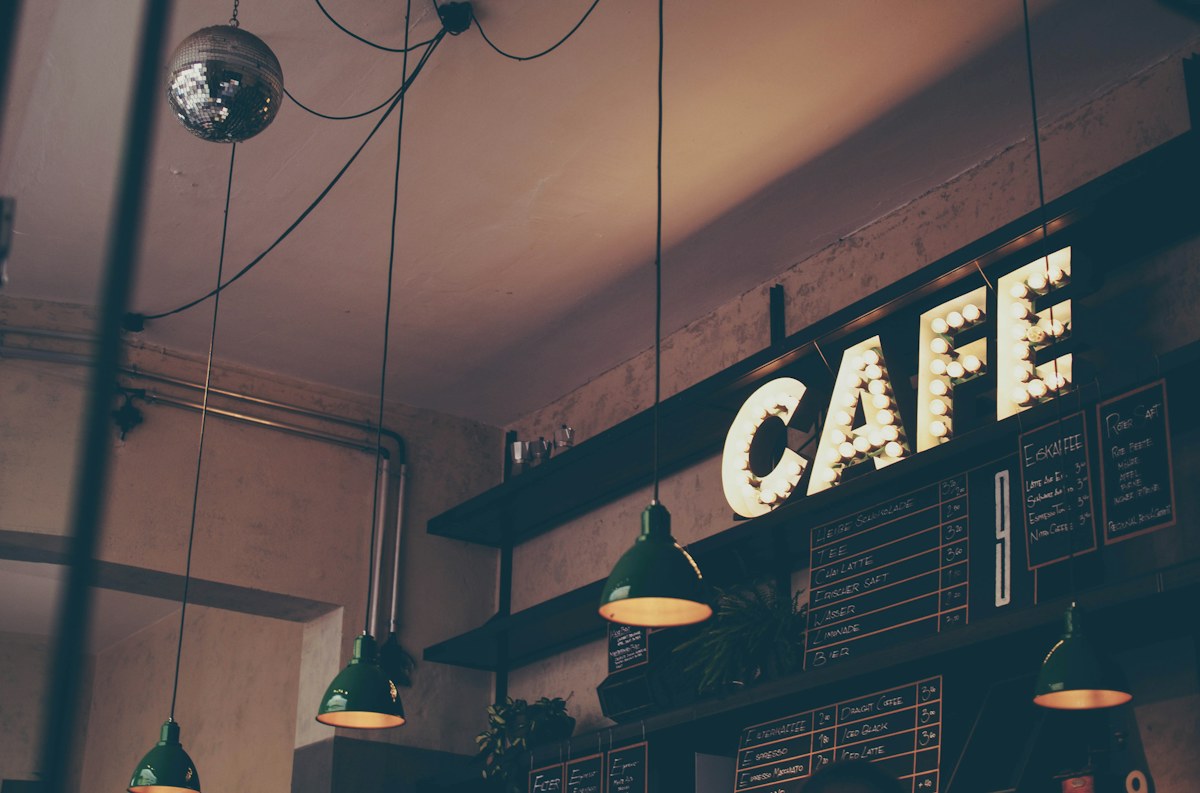
The coffee shop hidden behind the corner
A neighborhood cafe owner notices that regulars love the shop, but first-time visitors often walk past it. The profile still shows winter hours, and the website never explains where to park.
Read the story
The shift
She updates the hours, adds clear entrance photos, and links the profile to a page with the menu and directions. The site describes the actual breakfast and coffee options in everyday language.
What changes in this example
In this illustrative story, a visitor can check the menu, recognize the doorway, and plan a stop without calling first. The owner watches direction requests and asks new customers how they found the cafe.
The takeaway
Make the first visit feel familiar before someone arrives.
Story 02 · Illustrative example
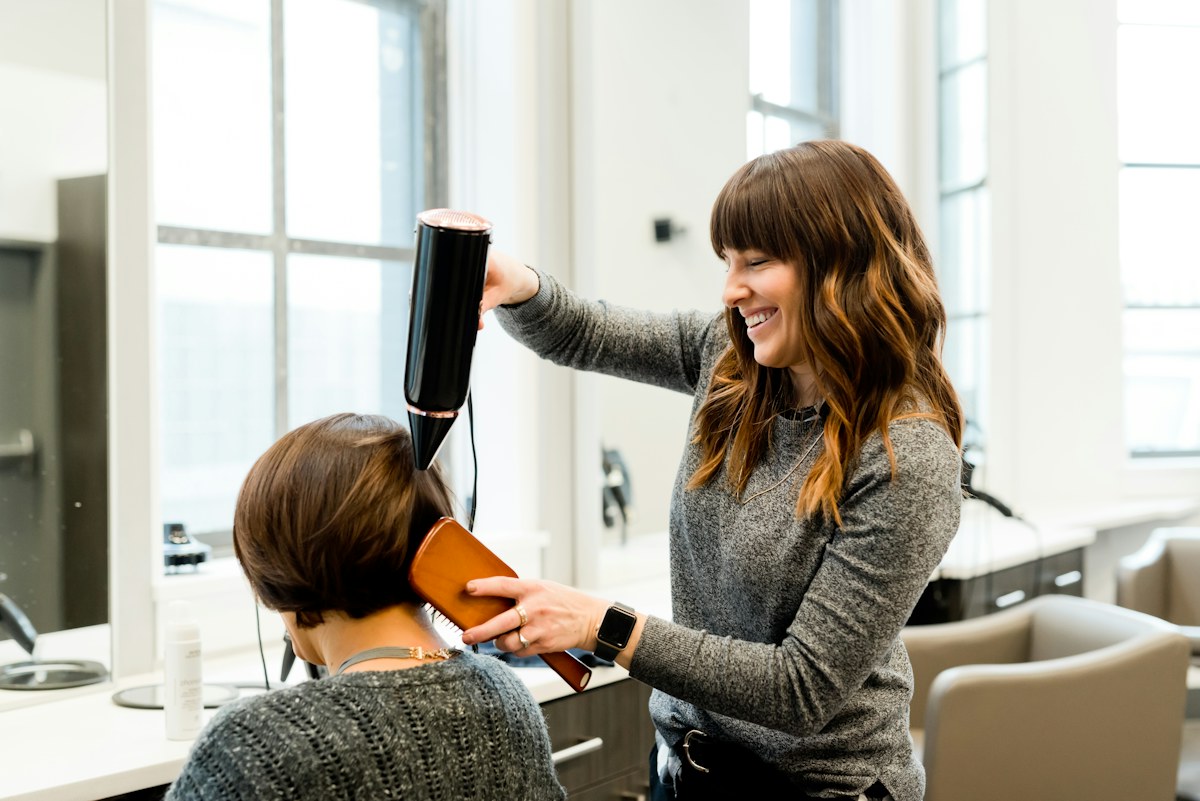
A salon makes booking feel simple
A salon owner has an attractive social feed, but search visitors land on a website with no service prices or booking instructions. People abandon the visit because they cannot tell which treatment to choose.
Read the story
The shift
She builds separate pages for the services she offers, explains consultation requirements, and adds a prominent booking link. Her Google Business Profile uses accurate categories and current photographs of the salon.
What changes in this example
The example improves the path from discovery to appointment: a customer can compare treatments before selecting a time. Booking completions and inquiry quality would help evaluate whether the change works.
The takeaway
Clarity about the service can be more useful than another broad keyword.

Story 03 · Illustrative example
A florist puts occasions first
A florist describes the shop beautifully but leaves customers guessing about delivery areas and ordering deadlines. Someone searching for a same-week birthday arrangement has to hunt for essential details.
Read the story
The shift
The owner creates useful occasion pages, explains delivery coverage, and keeps seasonal hours current on the profile. Photos show arrangements the shop can actually make, with clear guidance on availability.
What changes in this example
In this scenario, a customer understands what can be delivered and when before placing an order. The florist can review occasion-page inquiries rather than judging success only by total visits.
The takeaway
Answer the practical question behind the search.

Story 04 · Illustrative example
A repair shop shows the person behind the counter
An independent repair shop relies on referrals, while its website looks anonymous. New customers cannot tell which vehicles it works on or what happens during the first inspection.
Read the story
The shift
The owner adds technician introductions, explains the inspection process, and builds pages for the repairs the team regularly handles. Genuine workshop photos and accurate profile details reinforce the same story.
What changes in this example
Here, a driver arrives with a clearer understanding of the service and the people providing it. The owner checks whether more inquiries match the shop’s expertise, not just whether the phone rings.
The takeaway
Specific expertise gives cautious customers a reason to start a conversation.

Story 05 · Illustrative example
A fitness studio finds its beginner audience
A studio promotes challenging workouts, but first-time search visitors feel intimidated. The website never says whether beginners are welcome or how to join an introductory class.
Read the story
The shift
The team creates a beginner page explaining class levels, what to bring, and how the first session works. The profile links to an up-to-date schedule, while website photos show the real training space.
What changes in this example
In the example, a nervous newcomer can make an informed decision without guessing. Introductory bookings and attendance feedback would show whether the clearer page attracts the right audience.
The takeaway
Speak to the customer’s uncertainty as well as the service they need.

Story 06 · Illustrative example
A pet groomer explains the appointment
A pet groomer receives repeated calls about coat types, appointment length, and preparation. The existing page lists grooming as a single service and offers little reassurance to new owners.
Read the story
The shift
She explains the grooming options, describes the check-in process, and adds care questions to a useful FAQ. The profile lists truthful services and current hours, with photos of the actual premises.
What changes in this example
This scenario gives pet owners a better way to prepare and helps the groomer receive more complete inquiries. Form details and recurring phone questions provide useful feedback after the update.
The takeaway
Useful service information can support both discovery and a smoother appointment.

Story 07 · Illustrative example
A bookstore gives its events a home
A small bookstore posts author evenings only on social media. People searching for local readings cannot find a reliable schedule, and old event information keeps circulating.
Read the story
The shift
The owner creates an events page with individual event details, dates, accessibility notes, and registration steps. The profile points visitors to the website, and expired events are clearly marked as past.
What changes in this example
In this example, a reader finds a current event and knows how to attend. The store follows event registrations and checks which searches lead visitors to the schedule.
The takeaway
Give timely information a dependable place on your website.

Story 08 · Illustrative example
A cleaning team clarifies its service area
A cleaning company spends time responding to inquiries from neighborhoods it cannot serve. Its website mentions an entire metro area without explaining the team’s actual coverage.
Read the story
The shift
The owner rewrites the coverage information, adds useful details about recurring and move-out cleaning, and corrects the profile’s service areas. The quote form asks for a location before scheduling a visit.
What changes in this example
The illustrative improvement is better-fit inquiries: customers can check coverage before making contact. The team reviews the share of requests it can accept rather than celebrating a bigger inbox.
The takeaway
Useful boundaries help the right customers choose you.
Story 09 · Illustrative example
A yoga studio welcomes the first visit
A yoga instructor has loyal students but few introductory bookings from search. The class descriptions assume knowledge of yoga styles and leave new visitors unsure where to begin.
Read the story
The shift
She adds a first-visit guide, explains the classes in plain language, and puts schedule and booking links near each description. Profile photographs show the entrance and studio so newcomers know what to expect.
What changes in this example
In the scenario, a customer can pick an appropriate class without feeling out of place. The instructor tracks first-class bookings and asks whether the guide answered the important questions.
The takeaway
A welcoming explanation can turn curiosity into a practical next step.

Story 10 · Illustrative example
A photographer separates two different searches
A photographer offers family portraits and commercial product shoots on one crowded page. Both audiences struggle to find relevant work or understand the planning process.
Read the story
The shift
He creates distinct service pages with permission-cleared portfolios, preparation guidance, and different inquiry questions. His eligible local profile uses accurate information and links to the main photography website.
What changes in this example
This example makes it easier for each visitor to see work that matches their needs. The photographer evaluates the relevance of inquiries and which portfolio pages support them.
The takeaway
Different customer needs deserve different, genuinely useful pages.